New Zealand Volcanoes: A Journey Into Aotearoa’s Most Powerful Natural Wonders
There are places on Earth where the land feels as if it is still taking shape. Where steam drifts from hidden chambers beneath the soil. Where lakes shiver with heat rising from below. Where mountains breathe, quietly but unmistakably, as if each deep exhalation reminds us that the world beneath our feet is alive. In New Zealand, these volcanoes stand not as relics of a forgotten age, but as living sculptures of fire and stone. They shape the rivers, cradle the forests, and etch their influence into every horizon. To walk among them is to witness the planet mid-sentence, speaking in the language of creation.
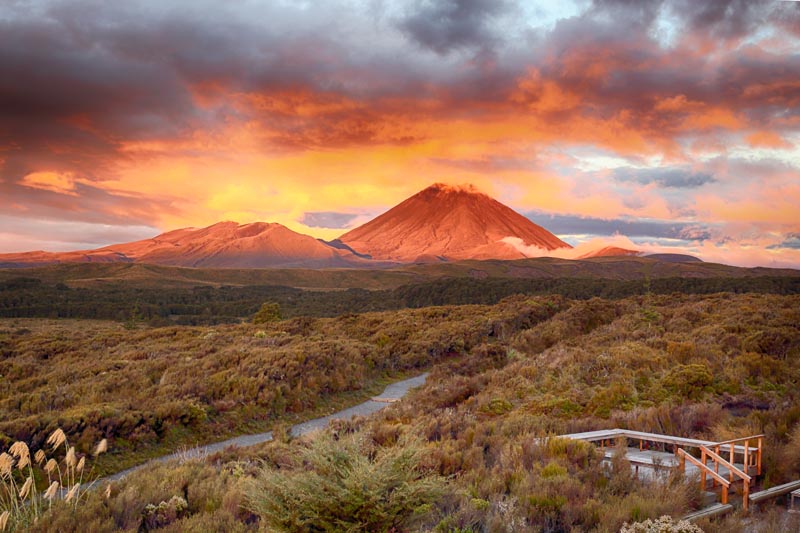
1. Mount Ruapehu Volcano
New Zealand’s Most Powerful Active Summit.
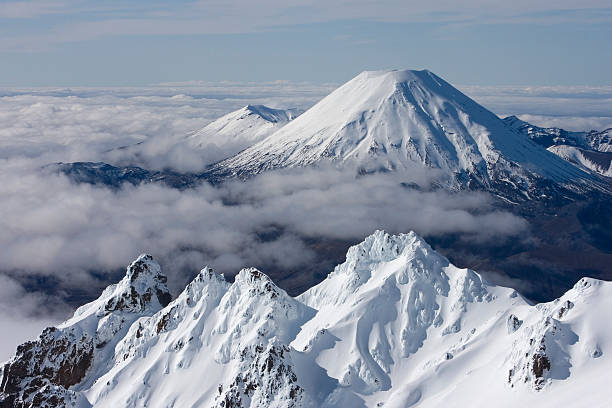
Mount Ruapehu rises above the Central Plateau like a monarch carved from ice and fire. At over 2,700 meters, this active stratovolcano commands the skyline, its summit crowned by a pale, simmering crater lake that conceals immense pressure beneath its tranquil surface.
Visitors come to experience the duality of Ruapehu: snowbound slopes wrapped in silence, and the ever present awareness that molten rock churns far below. Its glacier cut valleys, jagged ridgelines, and sweeping volcanic deserts speak of centuries of eruptions that shaped the North Island’s heart. As one of the best volcanoes to visit in New Zealand, Ruapehu is equal parts beauty and force, a mountain that embodies the restless spirit of Aotearoa.
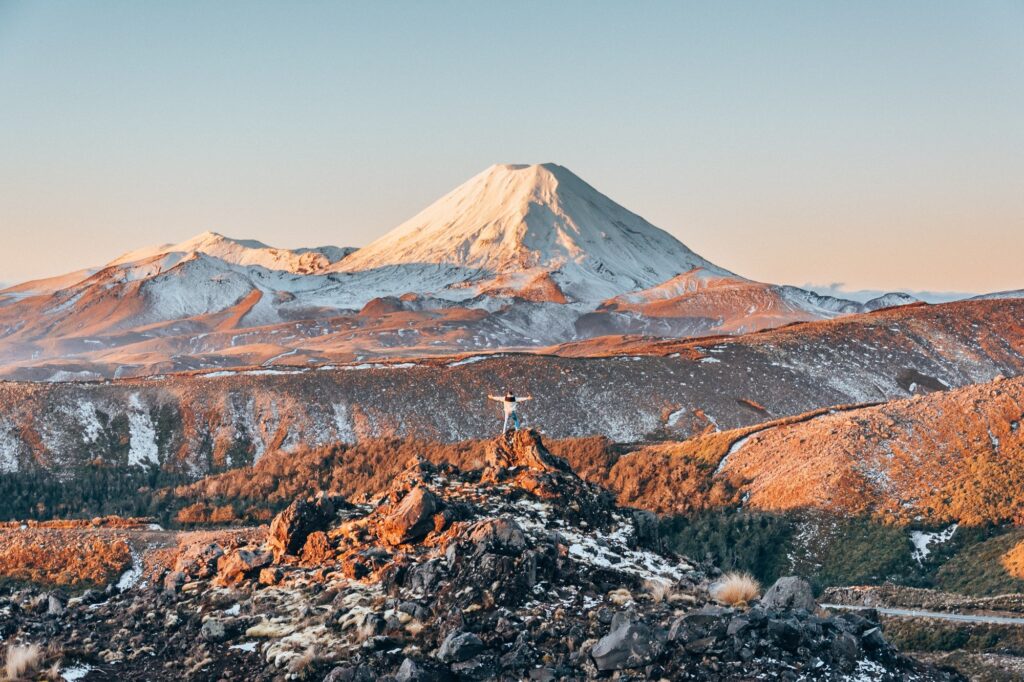
2. Mount Tongariro Volcano
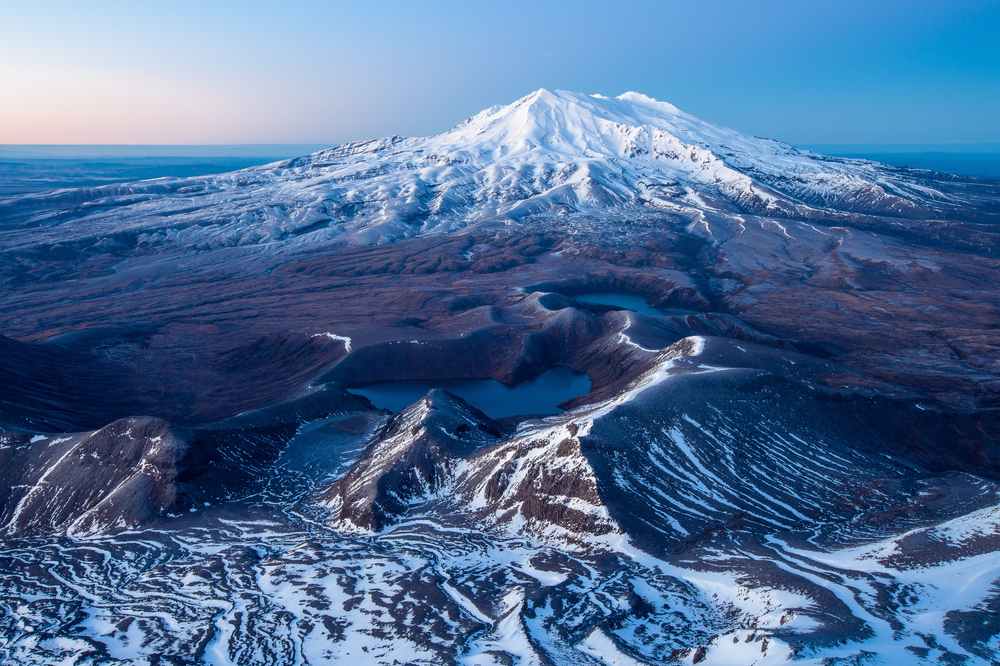
Mount Tongariro is a vast volcanic realm where color, temperature, and texture collide in astonishing ways. The Tongariro Alpine Crossing, often called the greatest day hike in New Zealand, leads travelers through a corridor of smoke and mineral fire. Red Crater rises like a wound in the earth. The Emerald Lakes shimmer in surreal shades of teal and jade. Steam escapes through vents that whisper into the cold mountain air.
Tongariro is alive with Māori narratives that trace the mountain’s mana and spiritual significance. To cross this landscape is to experience something ancient, cinematic, and deeply sacred. Few volcanic destinations in New Zealand offer such a powerful blend of cultural depth and geothermal spectacle.
3. White Island Volcano Whakaari
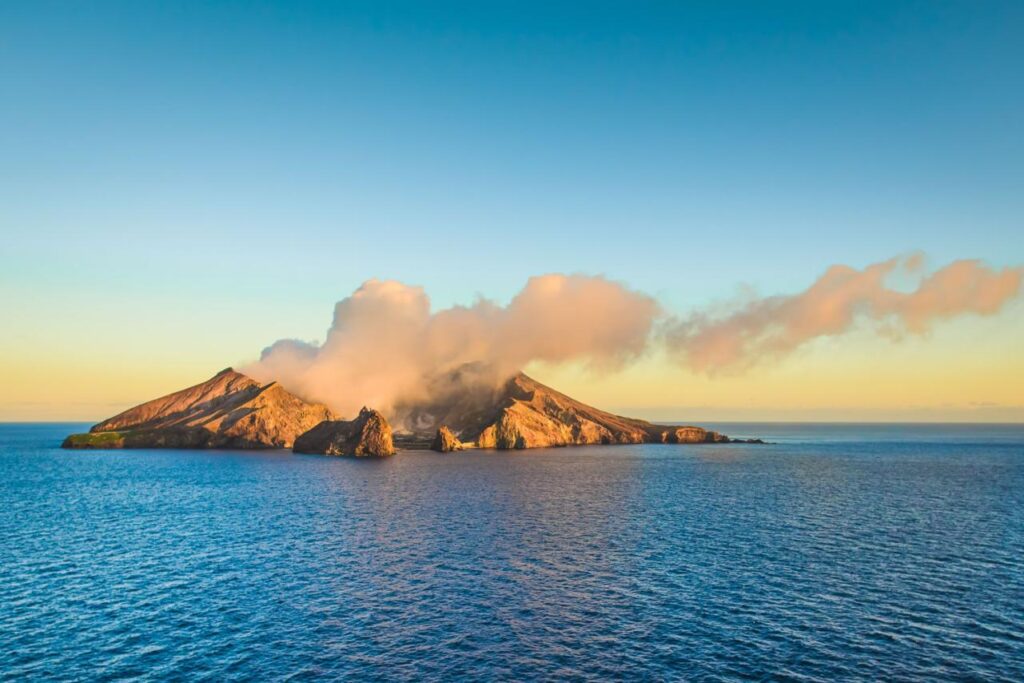
New Zealand’s Most Active Marine Volcano.
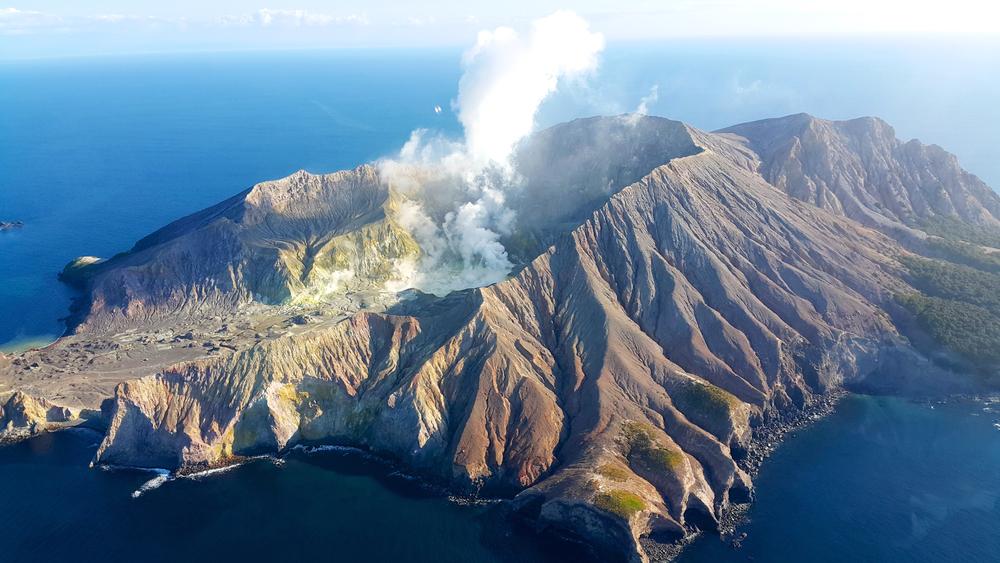
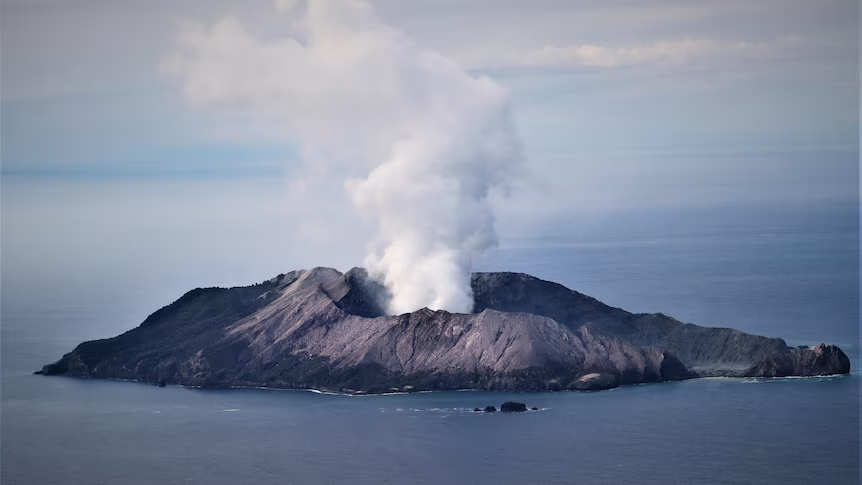
Twenty minutes off the coast of Whakatane, a pale plume curls into the sky. This is Whakaari, White Island Volcano, the most active marine volcano in New Zealand. Rising from the Pacific like a fragment torn from another planet, Whakaari reveals a world stripped to its elemental core. Steam vents seethe. Sulfur blooms in vivid yellows. Mud pools bubble with quiet menace. The air carries the tang of mineral heat.
This island has shaped life along the eastern coast for generations. For locals in Whakatane, Whakaari is more than a landmark. It is a living presence, a reminder of the tectonic forces that built Aotearoa. Though access today is restricted, the volcano remains one of the most studied geothermal sites in the Southern Hemisphere.
Travelers exploring New Zealand’s most dramatic volcanoes often point to Whakaari as the one that stays in their memory long after the journey ends. Its silhouette on the horizon, visible from Whakatane’s sunlit shoreline, continues to captivate anyone drawn to the raw beauty of the natural world.
4. Mount Taranaki Volcano
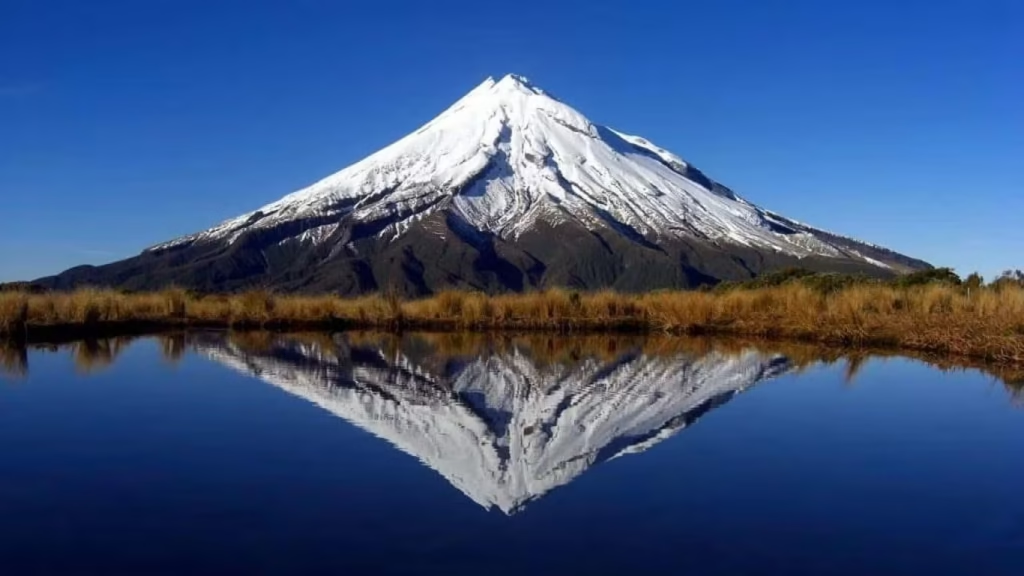
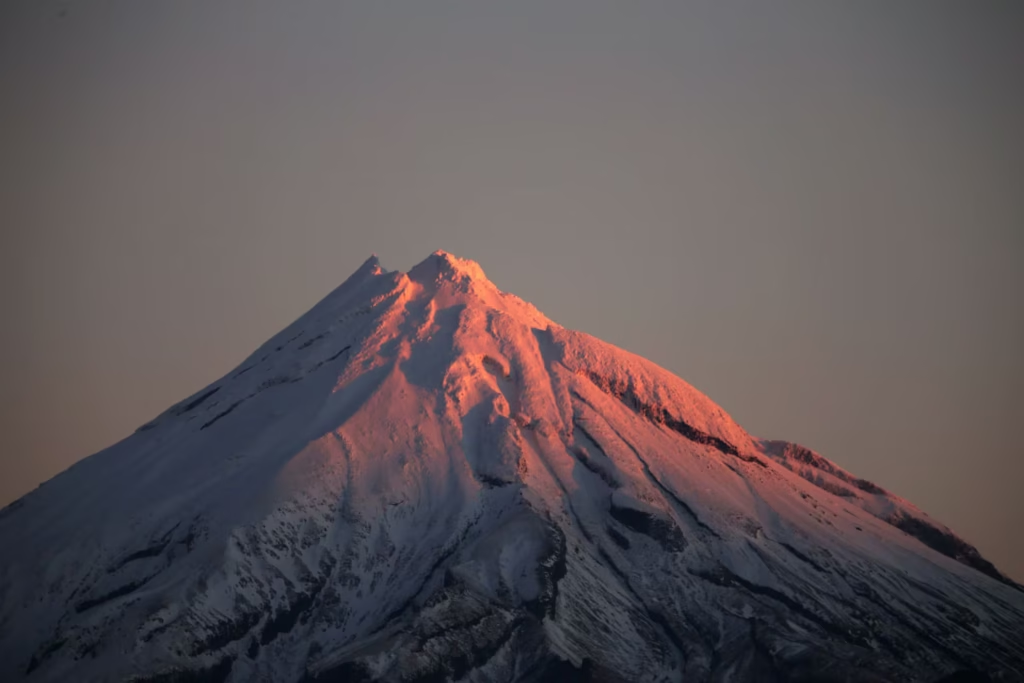
Mount Taranaki stands alone on the western edge of the North Island, its near perfect cone rising from emerald forests like a sacred monument. Mist coils around its upper slopes in elegant spirals. At sunrise, its flanks glow pink and gold. At dusk, the entire mountain seems carved from violet stone.
Taranaki’s symmetry has long inspired painters, photographers, and explorers. Māori stories tell of its journey across the land, a tale woven through the valleys that cradle its base. For travelers seeking one of the most striking volcanoes in New Zealand, Taranaki offers both gentle forest walks and challenging summit climbs. Few mountains in the world are as photogenic or as atmospheric.
5. Rangitoto Volcano
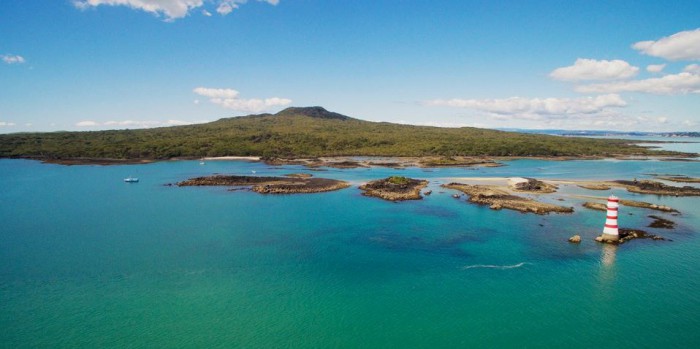
Rangitoto Island, born from a violent eruption only six centuries ago, rises from Auckland’s Hauraki Gulf like a guardian of stone. Its dark lava fields and sprawling pohutukawa forest create a volcanic landscape still in its geological infancy.
As hikers move through tunnels formed by cooling lava and climb toward the summit, they witness layers of history frozen in time. From the top, Auckland unfolds in sweeping panorama, revealing the city’s foundations atop an ancient volcanic field. Rangitoto is a reminder that even the most modern parts of New Zealand are built upon the movements of fire.