
The Lady on the Rock
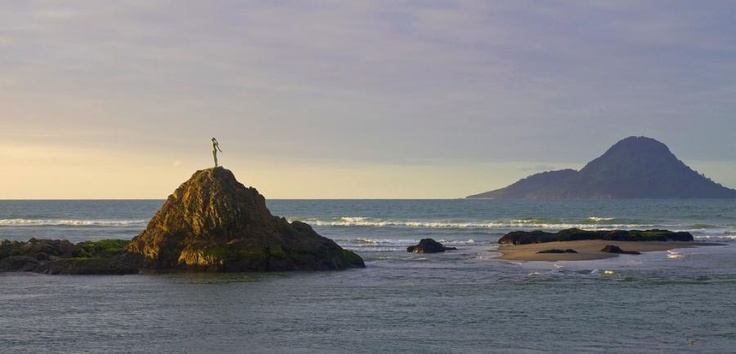
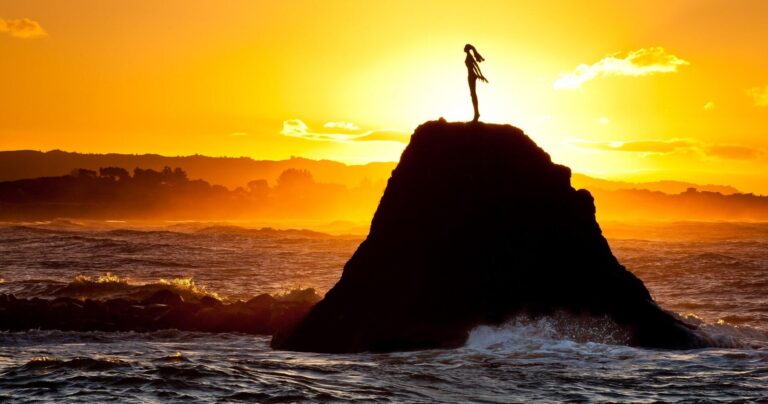
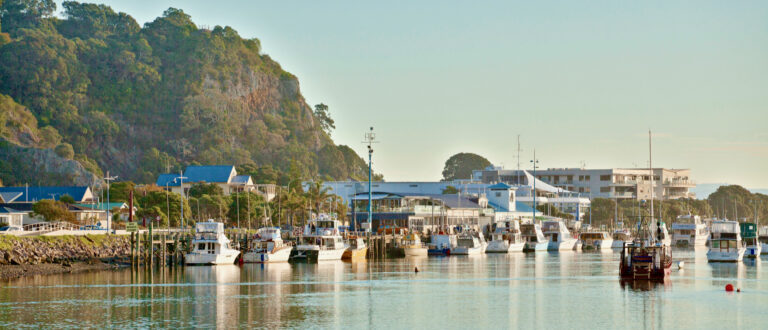
Standing at the entrance of Whakatāne’s harbour is one of the most historically significant monuments in Aotearoa “The Lady on the Rock”. The statue commemorates Wairaka, a woman whose decision changed the course of New Zealand history and gave Whakatāne its name.
More than 600 years ago, the Mātaatua waka (ancestral canoe) arrived on the shores of the Eastern Bay of Plenty carrying some of the first Polynesian settlers to the region. According to tribal history, the men left the canoe to explore land, instructing the women to stay behind. While they were away, the ocean current began pulling the waka back toward the open sea, threatening to destroy the vessel and strand the community.
At a time when women were forbidden to paddle the waka, Wairaka made a choice that would be remembered forever. To save her people, their waka, and their future settlement, she broke protocol, grabbed a paddle and called out:
“Kia whakatāne au i ahau!” — “I will act like a man to save us!”
She steered the waka safely back to shore.
This single act:
Preserved the Mātaatua waka, a foundation of major iwi across the Bay of Plenty
Secured permanent settlement in the region
Named Whakatāne, linking the town forever to her courage
Became one of the earliest recorded stories of female leadership in Aotearoa
Why it matters to New Zealand History
The Mātaatua waka was not just a canoe it was a migration blueprint for multiple tribal nations across Te Ika-a-Māui (North Island). If the waka had been lost, it would have meant:
No planned tribal settlements in the Eastern Bay of Plenty
No preservation of ancestral knowledge carried on the waka
A major disruption to some of the earliest community foundations in New Zealand
Wairaka’s choice protected one of the most important waka in New Zealand’s migration history, giving her a legacy equal in importance to the explorers and chiefs who stepped onto these shores.
Why Travellers Seek it Today
Visitors make plans to travel to Whakatāne not just to see a monument, but to experience the place where:
One of New Zealand’s earliest migration stories unfolded
A woman challenged rules and saved an entire voyaging nation
The coastline, views, and exact harbour entrance still resemble the world of that moment
The statue faces Moutohorā (Whale Island), the same landmark navigators would have seen on arrival. The rock and tides beneath it echo the real danger Wairaka confronted, giving the story a powerful sense of place.